7 September is the International Day of Clean Air for blue skies.
Air is fundamental to life, yet it is often invisible and easy to overlook until something goes wrong.
Many of us notice poor air quality only when smoke fills a valley, dust hangs in the air, a neighbour’s wood burner becomes impossible to ignore, or our children develop symptoms that we struggle to explain. By then, exposure has already occurred.
At The Air Quality Collective, we believe that understanding air quality is the first step towards improving it.
For decades, air quality management has relied on a relatively small number of monitoring stations and specialist expertise. Those systems remain important, but advances in sensors, communications and data science now allow communities, councils, schools and businesses to understand air quality at a scale that was previously impossible.
Our work focuses on turning air quality data into practical action.
Across New Zealand and Australia, we support projects that help people understand outdoor air pollution, identify patterns and sources, assess exposure, and develop effective responses. This includes community monitoring networks, air quality mapping, environmental research, public guidance and the development of new approaches to air quality management.
Air quality is not only an environmental issue.
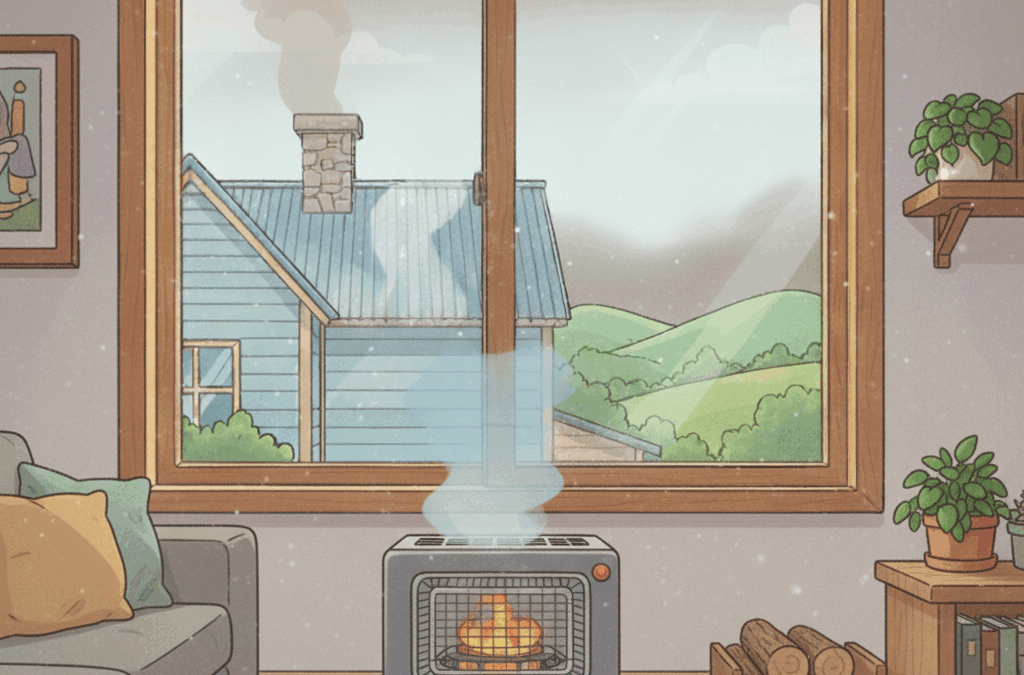
It affects health, wellbeing, productivity, resilience and quality of life. Outdoor pollution can also become indoor pollution. Smoke, dust and other pollutants do not stop at the front door.
That is why our vision extends beyond measurement alone. We want communities to have the information they need to make informed decisions, whether that means reducing exposure during smoke events, understanding local pollution patterns, planning future developments, or evaluating strategies to improve air quality over time.
This year’s International Day of Clean Air for blue skies is a reminder that cleaner air is achievable. The solutions alre
ady exist. Better information, community engagement, practical science and evidence-based decision making can all contribute to healthier environments.
Clean air should not be something we notice only when it is lost.
It should be something we actively understand, protect and improve.